
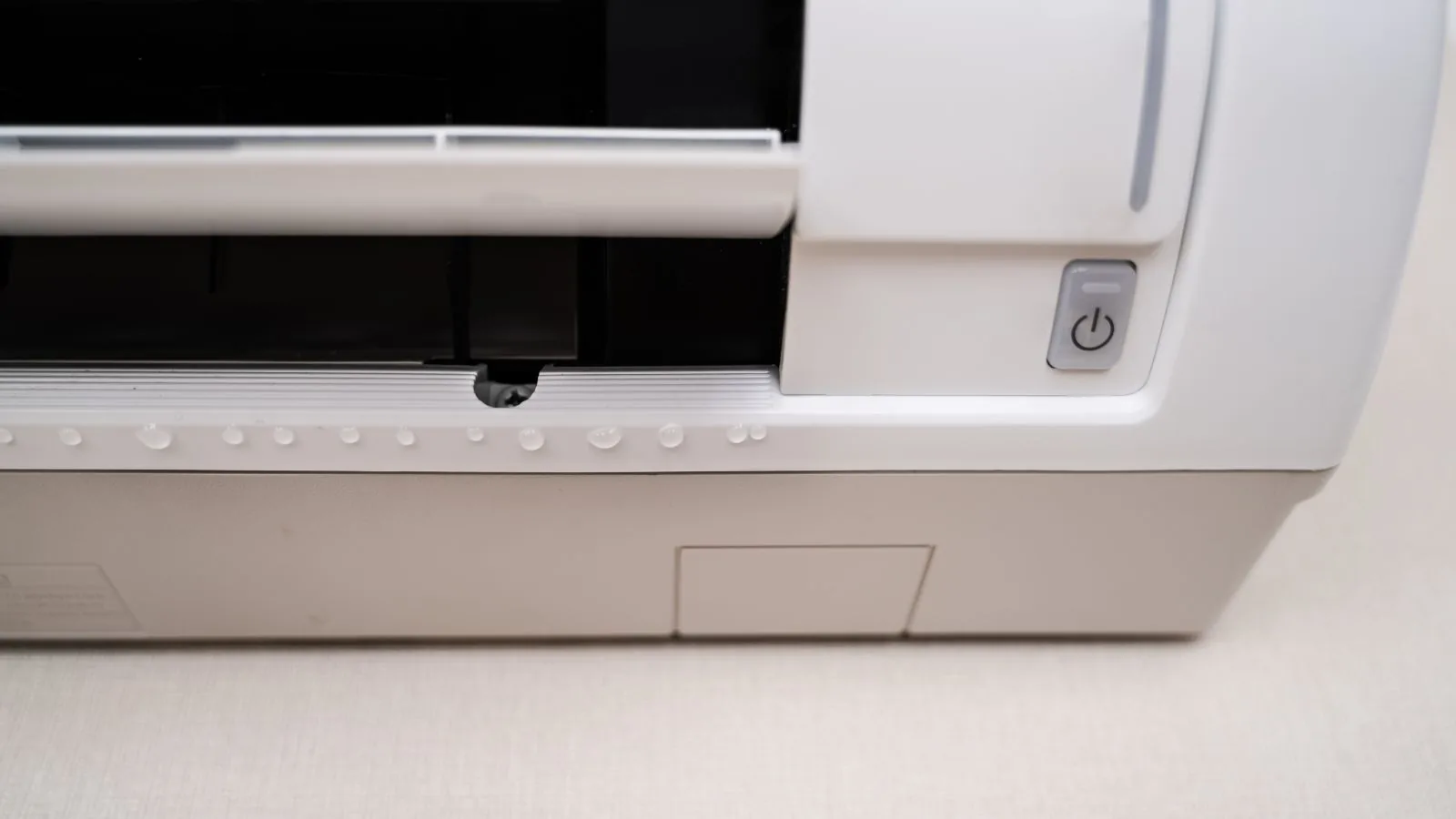
AC leak water damage repair deals with what the condensate water did, not the air conditioner itself. An air conditioner pulls moisture out of the air and sends it down a drain line, and when that line clogs, water backs up and spills into the pan, the attic insulation or the ceiling below.
In Findlay, the dispatch line is open 24/7 and can arrange the dry-out while an HVAC technician fixes the equipment.
Signs an AC leak is soaking something
Look for a water stain on the ceiling below an attic air handler, dripping around a closet furnace or a damp smell when the system runs. A float switch that shut the system off is a clue that the pan filled. A slow drip from a ceiling vent can also point to condensation on duct work.
Turn the system off at the thermostat first, since a running unit will keep making water. Move belongings out from under the drip and place a bucket. Water that has reached a light fixture is an electrical hazard and needs the power turned off at the panel, if it can be reached dry.
Why condensate water spreads quietly
A condensate leak is rarely dramatic. It is a thin, steady flow that soaks attic insulation, ceiling board and framing for days or weeks. The water is usually clean at first, but standing pans and drain lines can grow slime, so the damage often smells before it shows.
Because the leak happens in the summer, closed-up houses run warm and humid, which slows drying. That is one reason a small AC leak can leave a ceiling that stays damp long after the stain stops growing.
How crews dry an AC leak
The crew traces the water with a moisture meter and thermal camera, removes wet insulation and any ceiling board that has softened and dries the framing with air movers and a dehumidifier. The HVAC contractor clears or replaces the drain line and checks the pan and float switch, since stopping the source is separate from drying.
| Equipment location | What gets wet | Typical fix |
|---|---|---|
| Attic air handler | Insulation, ceiling board below | Remove wet insulation, dry joists, replace board if soft. |
| Closet or utility room unit | Floor and wall base | Extract, dry floor, check adjoining rooms. |
| Basement furnace coil | Floor and stored items | Pump out, dry slab and walls. |
| Ducts and vents | Ceiling around the register | Dry and repaint after checking insulation. |
Cost factors for AC leak repair
| Factor | Effect |
|---|---|
| Time the leak ran | A season of dripping is a bigger job than a single day. |
| Insulation involved | Wet attic insulation is removed and replaced. |
| Ceiling area | Larger stains mean more board and finishing. |
| Access | Attic work is slower and priced accordingly. |
| Drying days | Equipment time is itemized. |
Insurance for HVAC water damage depends on the policy and the cause. A clogged line found right away is often treated differently from a leak that went unnoticed for months, so ask your insurer and keep the HVAC invoice with your photos.
AC leak damaging a ceiling?
Turn the unit off and call the 24/7 line. Dispatch will tell you how to protect the room.
☎ (567) 406-9153If the ceiling is already sagging, the ceiling repair page covers the repair. Wet attic and wall cavities are dried using the methods on the structural drying page, and walls are covered on the wall and drywall page.
What to do before a crew arrives
- Turn the thermostat to off so the unit stops making more condensate.
- Do not touch the unit or its wiring if the floor or ceiling around it is wet.
- Set a bucket under any drip and move belongings out from under it.
- Photograph the drain pan, the line and any stains before anything is cleaned.
- Keep people away from a ceiling that is sagging or bulging.
Professional drying practice follows the published ANSI/IICRC S500 standard, which sorts water into three categories and sets drying goals by material. Ask any crew how it applies that standard to your job.
AC Leak Water Damage questions answered
Why is my air conditioner leaking water inside?
Most often the condensate drain line is clogged, or the drain pan is cracked or overflowing. An HVAC technician clears or repairs it, and restoration deals with the wet materials.
Is AC water dangerous?
Condensate is usually clean at the source, but standing water in a pan can grow slime, which causes odor. The crew checks what the water touched.
Can I keep running the system?
Turn it off until the leak is fixed, because it keeps producing water. In hot weather, ask the HVAC contractor about a temporary fix.
How do I tell if the attic insulation is wet?
Wet insulation looks flattened or darker, and the ceiling board below usually stains. A meter reading shows hidden water without tearing things out.
Does the leak need emergency service?
A sagging or dripping ceiling does. A small, dry stain can wait for a scheduled visit, though dispatch can still advise.
An AC leak keeps going
Turn the system off and call dispatch. A crew can map the water and plan the dry-out.
☎ (567) 406-9153