
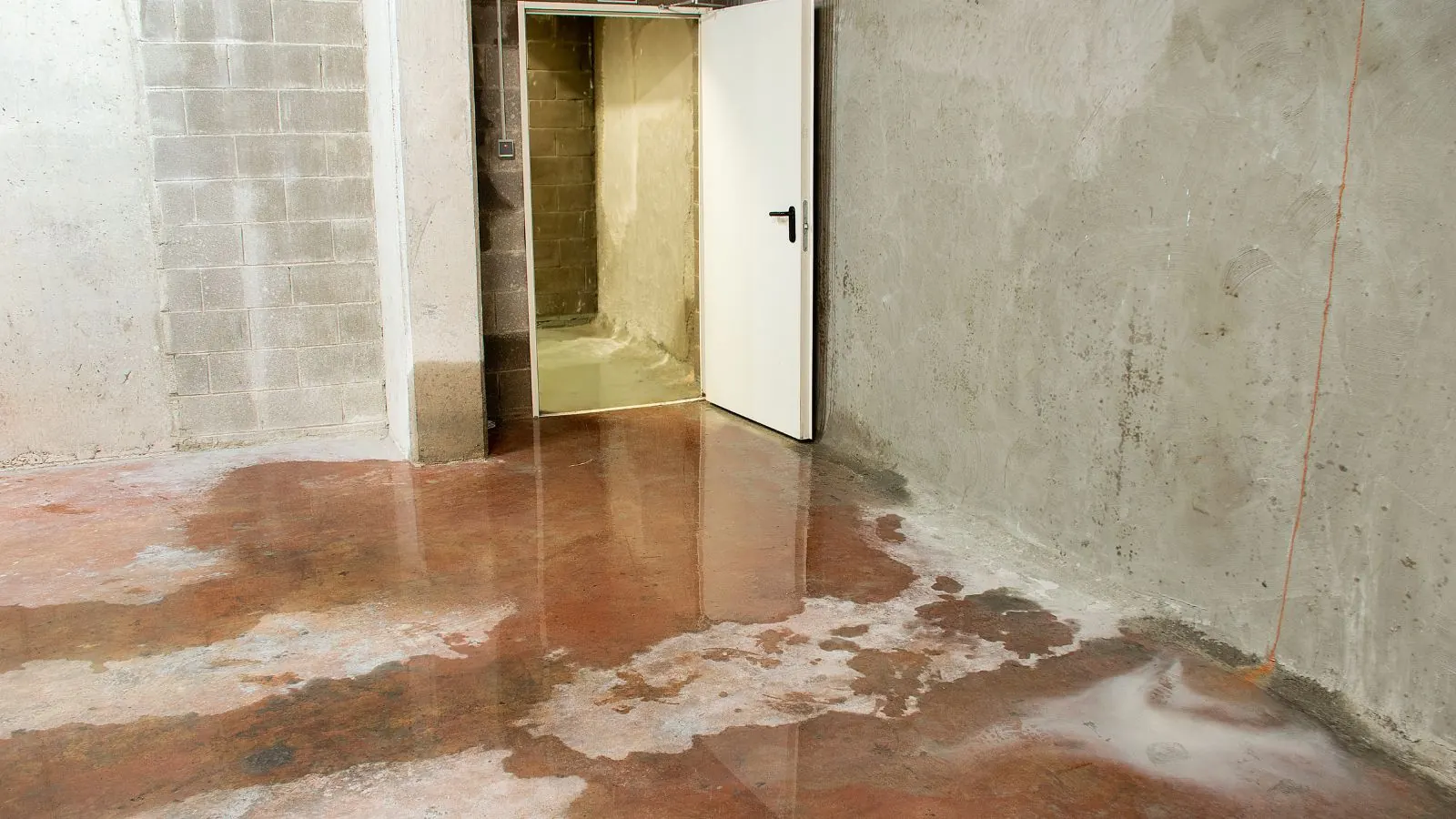
Basement water damage cleanup in Findlay begins with safety. Do not go into a flooded basement if the panel, outlets or appliances are in the water, and call the 24/7 dispatch line. While you wait, shut off the main water valve if the source is plumbing, and move belongings from the lowest shelves and floor to higher ground if you can do so safely.
When a wet basement is an emergency
Water that is rising, water touching the furnace or panel, and water that came up from a drain are all emergencies. So is any basement where carpet and drywall have been wet for more than a day. Same-day response is offered when crews are available, and after-hours calls are common during heavy rain.
Basements are tricky because the water source is often unclear. It may be a pipe, the sump pump, a window well, the foundation wall or groundwater coming up through the slab.
Furnace, panel and water heater
If the water is high enough to reach the furnace, water heater or electrical panel, leave the basement and call the electric utility or 911 before calling a restoration line.
Where Findlay basement water comes from
Common sources are a failed sump pump during heavy rain, groundwater seeping through the foundation, window wells that fill, a failed supply line or sewer backup.
The National Weather Service documented how heavy rain from August 19 to 21, 2007 pushed the Blanchard River near its record stage in Findlay, and a basement near the river is more exposed to rising ground water than one on higher ground. Check the FEMA flood map for your address to see which applies.
No public data says what share of Findlay homes have basements, so this page does not claim any.
How basement cleanup works
The crew pumps out the water, removes wet carpet, pad and drywall as needed and sets air movers and dehumidifiers. Contents are sorted into dry, wet and salvageable, and finished walls are opened at the base to check for water in the cavity. If the water was from a sewer backup or the ground, it is Category 3 and cleanup follows the protocol on the sewage backup page.
| Source | Water category | What follows |
|---|---|---|
| Failed supply line | Category 1 | Dry out, repair pipe. |
| Sump pump failure | Category 2 or 3 | Remove porous materials, sanitize, fix the pump. |
| Foundation seepage | Category 2 or 3 | Dry out, then consult a waterproofing contractor. |
| Sewer backup | Category 3 | Contained cleanup with protective gear. |
Restoration is not waterproofing
Restoration removes the water and dries the basement. It does not stop water from coming back, and a basement that floods every spring needs a waterproofing or drainage contractor. An honest crew will tell you so rather than promise more than drying can do.
Cost factors for basement water cleanup
| Factor | Effect |
|---|---|
| Water depth and duration | Deeper, longer-standing water wets more materials. |
| Finished versus unfinished | Carpet, drywall and contents raise scope. |
| Water category | Category 3 adds protection and disposal. |
| Square footage | More area means more equipment. |
| Rebuild scope | Drywall, flooring and trim are itemized. |
Insurance often covers sudden plumbing failures but excludes groundwater and flooding unless there is separate coverage. The Ohio Department of Insurance consumer line is 800-686-1526 if you are unsure what you have.
Basement taking on water?
Call the 24/7 line. Dispatch will tell you what to check and what to leave alone.
☎ (567) 406-9153Basement cleanup often starts with water extraction and continues with structural drying. River and storm cases overlap with the flood damage page, and soaked floors are covered on the carpet page.
What to do before help arrives in a wet basement
- Do not enter standing water if the outlets, panel or appliances may be live.
- Shut off power only from a dry location, or ask your utility to do it.
- Do not run a household vacuum on standing water.
- Carry nothing heavy up stairs while the steps are wet.
- Photograph the water line on walls and the contents at floor level.
The trade's published reference is ANSI/IICRC S500. It defines the water categories and the classes of loss that decide how much equipment a room needs.
Basement Water Damage questions answered
Do you handle basement water emergencies at night or on weekends in Findlay?
Yes. Dispatch is staffed 24/7. Same-day response is offered when crews are available, and storm calls overnight are common.
Is water in my basement always an emergency?
Rising water, water near electrical equipment and water from a drain are. A small, dry-by-morning seep may not be, but it still deserves a look.
Do you fix the cause of the leak?
Restoration dries and repairs. A plumber or waterproofing contractor fixes the source. Dispatch can describe what to ask them.
Can I run a dehumidifier myself?
For minor dampness, yes. For soaked materials, a household unit does not remove enough water on its own.
What about my stored belongings?
Cardboard and fabric items near the floor are the most affected. Crews sort what can be dried and what cannot.
Basements stay wet by default
Call the 24/7 line. Dispatch can arrange pumping and drying.
☎ (567) 406-9153