
Walls and floors still feel damp days after the cleanup?
That is what the trade calls structural drying. Mopping and vacuuming remove the water you can see, while structural drying removes the moisture soaked into drywall, framing and subfloor. If a wall still feels cool or a floor still feels springy, drying has not finished, and the professional term for starting it quickly is water mitigation.
Structural drying and dehumidification in Findlay uses air movers, dehumidifiers and moisture meters to take a wet building down to a dry standard. It usually begins the same day extraction ends, and the dispatch line is open 24/7 for callers who need to know what to do right now.
How drying works
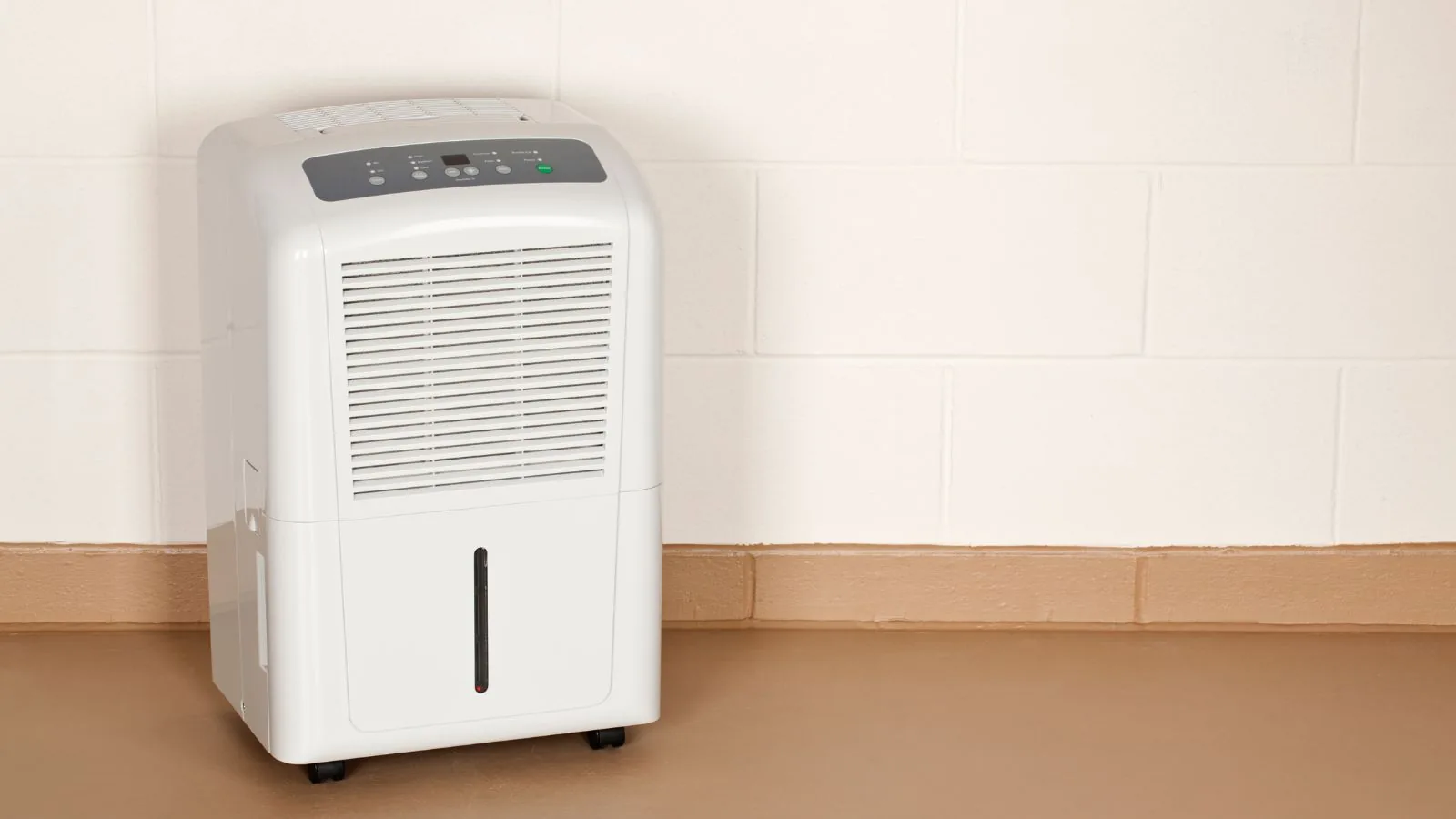
Wet materials give up moisture to the air around them. Air movers push dry air across wet surfaces, dehumidifiers pull the moisture out of the air and a closed room keeps the process efficient. Low-grain-refrigerant dehumidifiers work well in damp, cool rooms, which is why they are standard on water jobs.
Opening wall bases, lifting carpet and drilling small access holes let air reach wet cavities. The aim is a controlled environment where water leaves the structure faster than it can spread.
| Equipment | What it does | Where it is used |
|---|---|---|
| Air mover | Blows air across wet surfaces to speed evaporation | Floors, wall bases, ceilings |
| LGR dehumidifier | Removes moisture from the air so materials can release more | Any enclosed wet space |
| Moisture meter | Reads moisture content in drywall, wood and subfloor | Every visit, every room |
| Thermal imaging camera | Shows temperature differences that hint at wet areas | Locating hidden water |
| Injection or panel systems | Push air into wall cavities and under flooring | Cavities that cannot be opened |
Moisture mapping and water mitigation
Moisture mapping is a room-by-room record of where water is and how it changes. The crew takes readings on day one to set a baseline and again each visit to show progress. Each wet area has a target reading based on what dry looks like for that material, taken from unaffected areas of the same house.
Water mitigation, the term for stopping the damage from getting worse, includes extraction and drying together. The water extraction page covers the first part, and this page covers the second.
How long does drying take?
Drying time depends on the material, the amount of water, the humidity in the house and the outside weather. Drywall and carpet dry faster than hardwood, plaster or concrete. Findlay averages about 38 inches of precipitation a year per NOAA's 1991 to 2020 normals, and summer humidity can slow a dry-out, so a crew checks readings each day rather than relying on a fixed number of days.
A house is dry when the readings in affected areas match the dry reference readings, not when it feels dry.
What you can do to help
- Leave the equipment running. Turning a dehumidifier off to save power can restart the problem.
- Keep doors and windows closed in the drying zone unless the crew says otherwise.
- Do not move furniture back until the crew confirms dryness.
- Tell the crew about any new stain, smell or damp spot you notice.
Cost factors for structural drying
| Factor | Effect |
|---|---|
| Equipment count | Each air mover and dehumidifier is itemized per day. |
| Drying days | Hardwood and plaster take longer than carpet and drywall. |
| Wet area size | More rooms mean more equipment and monitoring. |
| Materials | Dense materials hold water longer. |
| Monitoring visits | Daily readings are part of the scope. |
Insurers often ask for drying logs, so the readings and equipment records are part of your claim paperwork. Ask your insurer how it handles equipment days.
Need a dry-out plan?
Call the 24/7 line and describe what is wet. Dispatch will explain what a drying plan includes.
☎ (567) 406-9153Drying follows burst pipe cleanup, flood cleanup and every other water loss on this site. Once the structure is dry, the wall and drywall page explains the rebuild.
Structural Drying questions answered
My walls still feel damp after a leak. What should I do?
Call and describe it. Moisture can stay inside drywall and framing long after the surface feels dry, and a meter reading will tell you whether more drying is needed.
What is water mitigation?
It means stopping a water loss from getting worse, which includes extracting standing water and drying the structure. Repair and rebuild come afterward.
Can I use household fans and a dehumidifier?
For a small, clean spill, yes. For water inside walls or under floors, professional equipment and moisture readings give much better results.
How do I know drying is finished?
Meter readings in affected materials match the dry reference readings from unaffected areas. The crew shows you the numbers.
Why is the equipment so loud?
Air movers and dehumidifiers run continuously. Most jobs run for a few days, and the crew explains the schedule.
Dry means measured
Call dispatch to plan drying with moisture mapping and daily readings.
☎ (567) 406-9153