
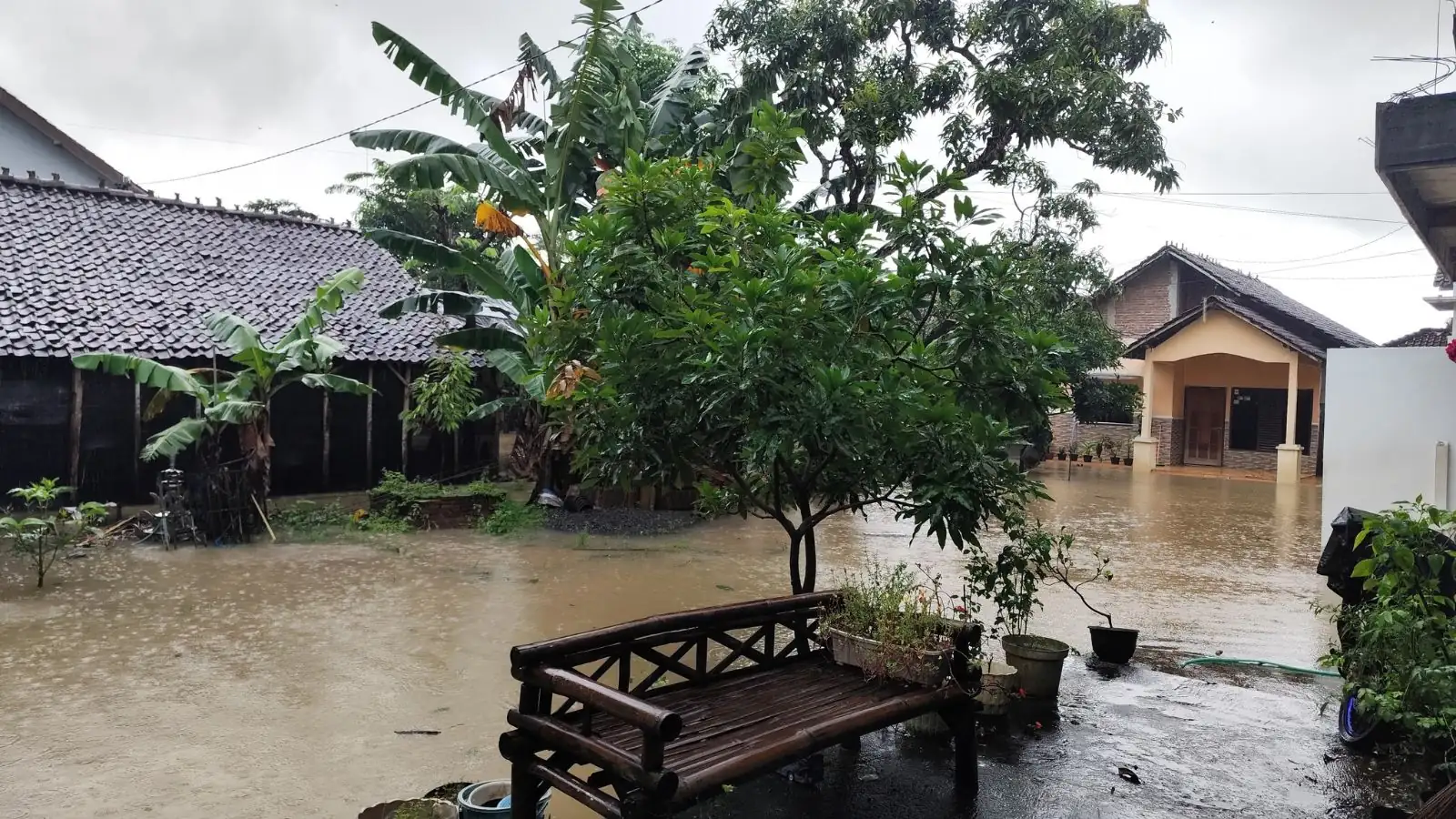
Storm water damage cleanup in Findlay deals with water that entered through the building envelope, such as a roof opening, a broken window or wind-driven rain through a wall. The 24/7 dispatch line takes storm calls at any hour. While you wait, move belongings away from the leak, keep clear of any bulging ceiling and take photographs before anything is changed.
Storm damage emergencies that cannot wait
An opening in the roof or a broken window will keep letting water in until it is covered. Temporary measures such as tarping are part of a storm response, and a crew can discuss them. Active water and a damaged roof are also an electrical risk, so stay out of rooms with wet fixtures.
Same-day response is offered when crews are available. During a wide storm the dispatch line gets busy, so calling early and describing your situation clearly helps.
Storm water is not the same as flood water
Water that falls and enters through the roof is not the same as water that rises from the ground. Rain water coming through a roof is usually Category 1 at first, though it can pick up contaminants from roofing and insulation. Rising or surface flood water is Category 3, and that case is covered on the flood damage page.
For a simple roof leak into a finished ceiling, the ceiling repair page is the best match. This page is for the broader storm event, which can involve a roof, a window, a wall and a wet attic at the same time.
What Findlay weather can do
NOAA's 1991 to 2020 normals list about 38 inches of precipitation and 24 inches of snow in an average year for Findlay, and the National Weather Service documented how heavy rain from August 19 to 21, 2007 pushed the Blanchard River near its record stage. Heavy rain, wind and winter weather can all test a roof. A storm does not need to be historic to leave a wet attic.
How storm cleanup and drying work
The crew documents the damage, extracts water, removes soaked insulation and drywall as needed and sets air movers and dehumidifiers. Roof or window openings are protected with temporary covers until a roofer or glazier makes permanent repairs. The crew checks the attic and wall cavities with a moisture meter.
| Entry point | Typical water path | What gets wet |
|---|---|---|
| Roof opening | Decking, insulation, ceiling | Attic insulation, ceiling drywall, light fixtures. |
| Window or door seal | Frame, wall cavity, floor edge | Trim, baseboard, flooring near the opening. |
| Siding or wall breach | Cavity behind the siding | Insulation and the inside of the wall. |
| Chimney or flashing | Roof edge into the wall | Walls and ceilings near the chimney. |
Insurance, storm claims and documentation
The Ohio Department of Insurance publishes a severe weather toolkit with post-storm claim-filing guidance at insurance.ohio.gov, and its consumer line is 800-686-1526. Wind and hail damage is usually handled differently from flood damage, and flood coverage is typically a separate policy. Check your policy for deductibles that apply to wind and hail.
Cost factors for storm water cleanup
| Factor | Effect |
|---|---|
| Entry points | More openings mean more wet areas. |
| Roof and attic access | Safe access affects labor. |
| Insulation and drywall | Wet material is removed and replaced. |
| Temporary protection | Tarps and covers are separate from drying. |
| Drying time | Equipment days are itemized. |
Storm water inside right now?
Call the 24/7 line. Dispatch will tell you how to protect the space until a crew arrives.
☎ (567) 406-9153Storm damage often overlaps with basement flooding and business losses. Wet walls are covered on the wall and drywall page, and homes in Van Buren and nearby towns are served too.
What to do before a crew arrives after a storm
- Stay out of rooms with sagging ceilings, downed wires or wet electrical equipment.
- Treat storm runoff as contaminated and wear gloves and boots.
- Cover a roof opening with a tarp only if you can do so safely from the ground or a stable surface.
- Photograph the damage before moving anything.
- Report the loss to your insurer promptly.
The trade's published reference is ANSI/IICRC S500. It defines the water categories and the classes of loss that decide how much equipment a room needs.
Storm Water Damage questions answered
Do you handle storm water damage emergencies at night or on weekends in Findlay?
Yes. The dispatch line is staffed 24/7. Same-day response is offered when crews are available, and storm calls are common after hours.
Do you repair the roof?
This line focuses on water cleanup and drying. A roofer makes permanent roof repairs. Dispatch can describe temporary protection.
What should I photograph?
The roof opening if it is safe to see, the wet areas, the ceilings and the belongings, before anything is moved.
Is storm damage covered by insurance?
Wind and hail damage is often covered, but flooding often needs separate coverage. Check your policy or call your insurer.
How soon can drying start?
Once the opening is covered and standing water is out, drying starts the same day when crews are available.
Storm water keeps coming in
Call the 24/7 line. Dispatch will tell you how to protect the space.
☎ (567) 406-9153