
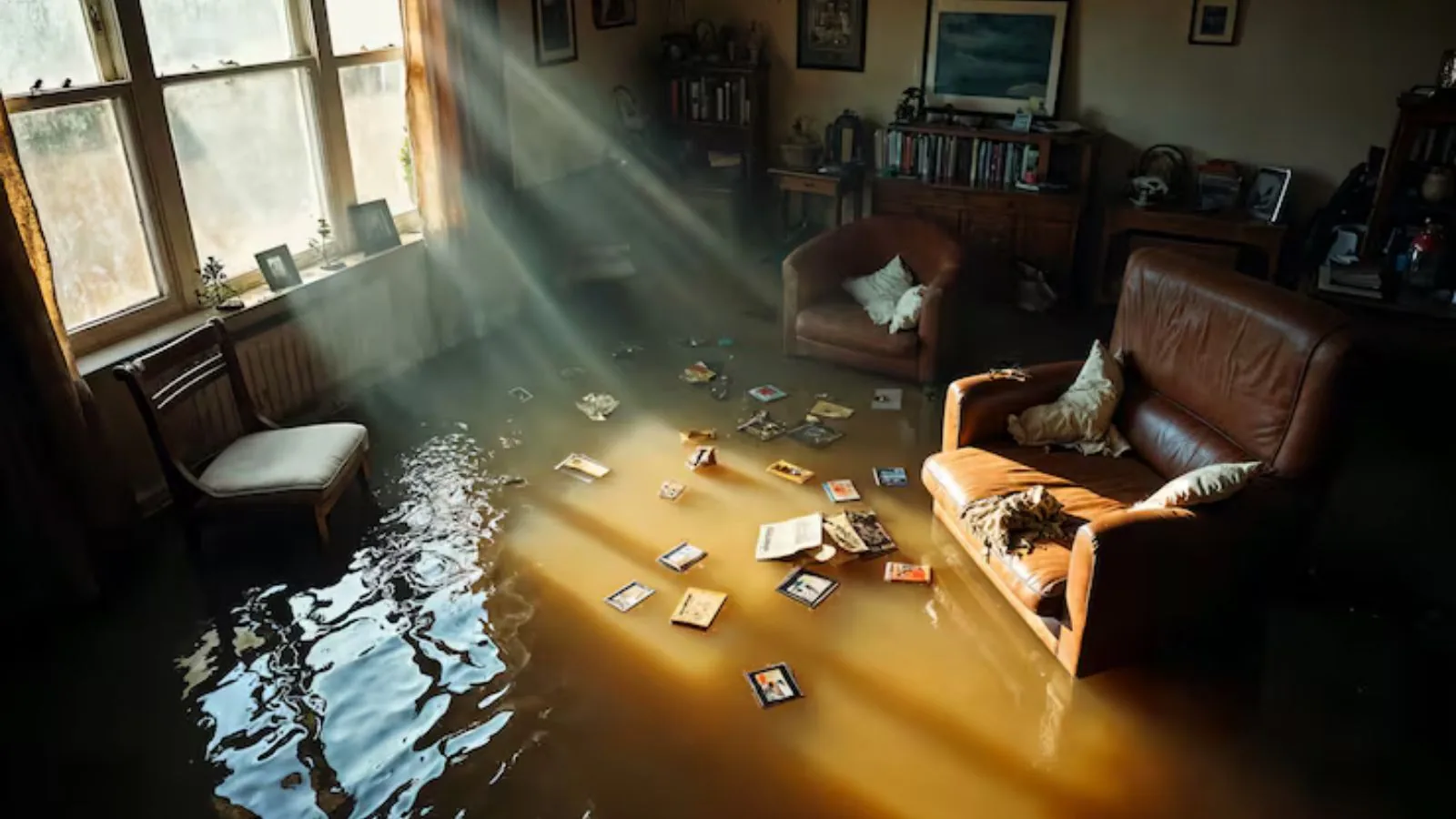
When water reaches a closet shelf or a basement box, the first worry is rarely the drywall. It is the wedding album, the deed, the child's drawings. The good news is that wet paper and photographs are often recoverable if they are handled correctly and quickly. The bad news is that the most common instinct, which is to pile everything together to deal with later, makes things worse.
This guide follows the National Archives' public guidance on flood-damaged family papers and photographs. It is general information. For items of high monetary, historic or sentimental value, the Archives recommends consulting a conservator before you do anything irreversible.
The two-day rule
The National Archives advises that wet materials should be air dried within about two days. Mold can begin to grow on wet paper quickly, so if you cannot dry items in that window, the guidance is to freeze them, because freezing inhibits mold growth and buys you time.
A household freezer is enough for a few items. For a large volume, a conservator or a document recovery service may offer freezing and vacuum drying.
That window is why the first call on a flooded home often involves two separate questions. One is how to dry the building. The other is what to do with the boxes on the shelf. Both are time-sensitive, and the contents question is easy to forget.
| Item | First move | Notes |
|---|---|---|
| Loose documents and letters | Air dry flat, or freeze if you cannot within two days | Use clean blotting paper between layers. Do not stack wet sheets. |
| Bound books | Stand upright, fan open gently, or freeze | Interleave glossy pages so they do not stick. |
| Modern photographs | Rinse gently in clean water if muddy, then dry face up | Keep photos from touching each other while wet. |
| Old photographs and negatives | Do not freeze. Ask a conservator | The Archives says never to freeze old photographs or negatives. |
| Framed photos | Remove from frame and glass when safe | Wet photos can stick to glass. |
| Items with active mold | Do not scrub | Brushing can spread or smear mold. Consult a conservator. |
Drying without damaging
Lay items flat on clean blotting paper or unprinted newsprint, and replace it as it soaks up water. Use fans to move air in the room, but do not point them directly at the items, since strong airflow can curl and tear paper. Keep the room as cool and dry as you can with a dehumidifier.
Do not use a hair dryer, an oven or direct sunlight. Heat can warp photographs, and it can set stains permanently. Patience is the tool here.
When a conservator is the right call
Some items cannot be replaced, and some are worth more than the cost of expert help. A conservator can stabilize and treat damaged works in ways that home methods cannot. The American Institute for Conservation maintains a directory, and the Archives suggests contacting one for valuable or historic material.
For valuable documents without active mold, freezing first and consulting afterward is a sound sequence. It stops the clock without causing damage.
Protect the contents while the building is dried
Restoration crews often pack out contents, meaning they move belongings to a clean area so that drying equipment can run without obstruction. Ask whether boxes of papers can be set aside so they are not lost in the pile.
Your adjuster may also want a list of what was damaged, so keep an inventory. The structural drying page explains how the building is dried so that new contents are not damaged again.
A first-day checklist
- Wear gloves, since floodwater can be contaminated.
- Move wet items to a clean, flat, ventilated space.
- Separate photos, papers and books so they do not stick together.
- Freeze what you cannot dry within two days, except old photographs and negatives.
- Photograph the items before and after, and list them for your insurer.
Write a short label for each bag or box going into the freezer. When you finally have time to sort it out, you will want to know which box holds the deed and which one holds the school photos.
Findlay note: floods and family archives
The Blanchard River flows through Findlay, and the National Weather Service recorded that heavy rain from August 19 to 21, 2007 sent the river near its record stage. When a river event damages many homes at once, specialist drying and freezing services can fill up quickly, which is a good reason to freeze what you can on the first day and sort later.
For cleanup after a flood, see the flood damage cleanup page. The same steps apply in Van Buren and Arlington.
Need the room dried while you save keepsakes?
Call the 24/7 line. Crews can set up drying and tell you what to move first.
☎ (567) 406-9153Questions about save wet photos and documents?
Dispatch is open 24/7 and will say plainly what a crew would do next.
☎ (567) 406-9153A local question answered
Can wet photos be saved?
Often, yes, if you handle them quickly. Modern photos can be rinsed gently and air dried. Old photographs and negatives should not be frozen, so ask a conservator.
Should I freeze wet books?
If you cannot air dry them within about two days, freezing inhibits mold growth according to the National Archives. Do not freeze old photographs or negatives.
Is there help for valuable family records in Hancock County?
Ask a library or archive near you whether it can point you to a conservator. A professional conservator is the right call for items of high value.