
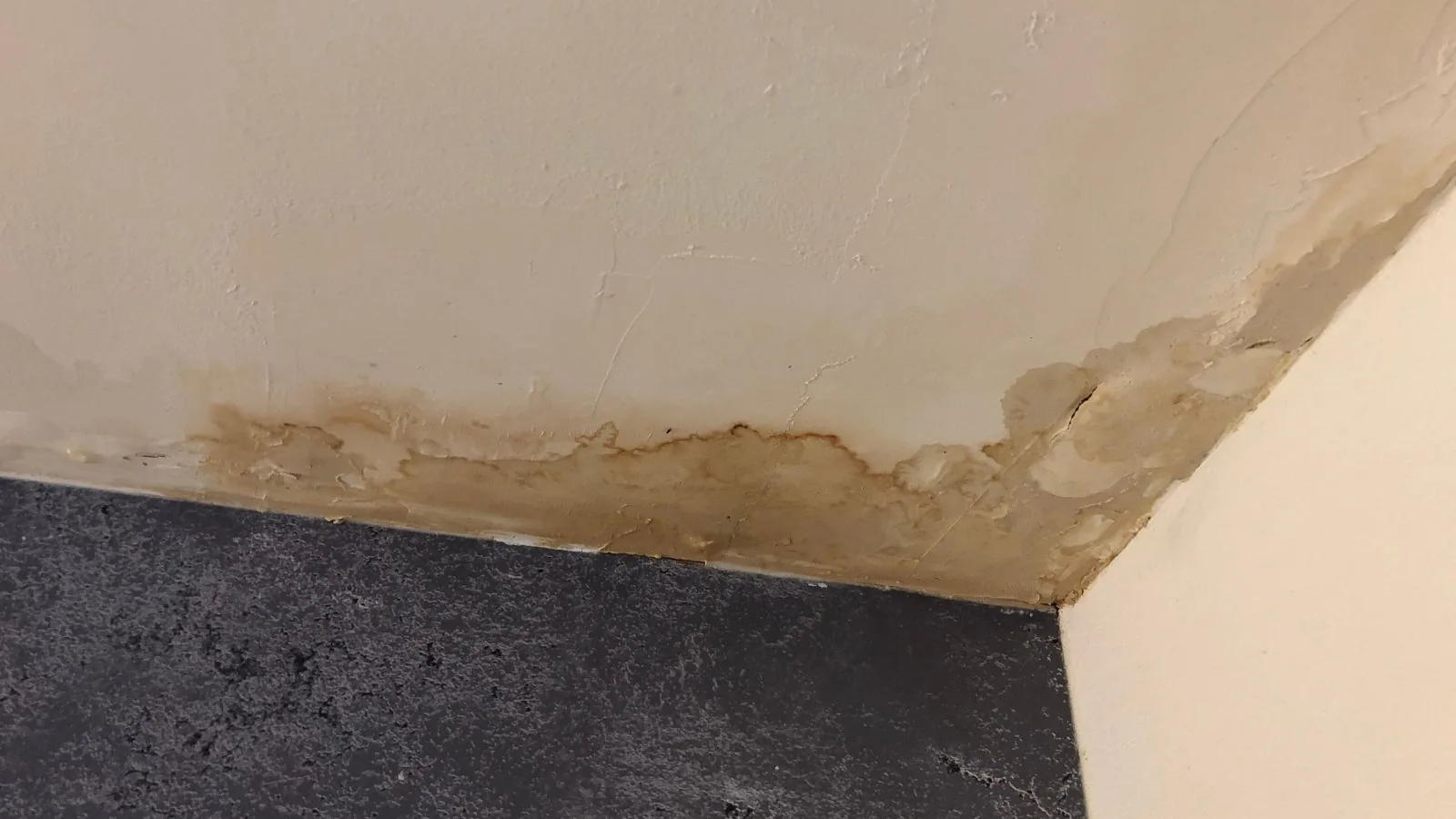
When water gets into a rental, two people have a problem and two different incentives. The tenant wants to be safe and keep belongings. The landlord wants to protect the building. The best outcomes happen when both act fast, put things in writing and keep records.
This is general information, not legal advice. Lease terms, local rules and the facts of each case differ, so talk to an attorney or a tenant or landlord association when the stakes are high. Renters near campus can also see the University of Findlay area guide.
What Ohio law says about repairs
Ohio Revised Code section 5321.04 sets duties for landlords of residential property. Among them, a landlord must make all repairs and do whatever is reasonably necessary to put and keep the premises in a fit and habitable condition, and must keep electrical, plumbing, sanitary and similar facilities in good working order. A significant water leak that damages the unit commonly falls within that kind of repair, though the facts matter.
The law also covers entry. A landlord may enter to make repairs, and 24 hours' notice is presumed reasonable. In an emergency, no advance notice is needed.
| Step | Tenant | Landlord |
|---|---|---|
| Stop the water | Shut off the nearest valve if safe, then call the landlord | Respond quickly and arrange a plumber |
| Notice | Notify in writing, such as email or text, and keep a copy | Acknowledge in writing |
| Document | Photograph the source, damage and belongings | Photograph and record the repair |
| Dry the unit | Do not move major items before photos | Hire a crew promptly to limit spread |
| Insurance | Renters insurance may cover belongings | Property insurance may cover the building |
| Follow up | Ask for a timeline in writing | Share the scope and schedule |
Belongings and where to live
A landlord's insurance generally covers the building, not a tenant's belongings. A renters policy, if the tenant has one, may cover personal property and may include additional living expenses if the unit is unlivable. Tenants without a policy should photograph everything and keep receipts anyway, since a dispute may turn on records.
If the unit cannot be lived in, talk to the landlord about the lease. What happens to rent during repairs is a lease and legal question, not something a restoration company decides.
Why speed benefits both sides
The longer water sits, the more materials fail and the larger the repair. A prompt response limits the cost for the landlord and the disruption for the tenant. The structural drying page explains why the first days matter, and a tenant who reports early protects their own position.
Multi-unit buildings
In an apartment building, water travels. A leak upstairs can reach units below, and the cause may be in a unit nobody can reach. Ask the property manager to check adjacent units and the common plumbing. The commercial water damage page covers larger buildings.
What goes in the written notice
A good notice is short and specific. It gives the date and time you noticed the problem, the location in the unit, what you did to limit the water and what you are asking the landlord to do. Attach a few photos. Send it in a way that creates a record, and keep a copy.
For a landlord, the reply matters too. A short written acknowledgement with a timeline shows good faith and sets expectations. If the situation changes, update the tenant in writing.
When the two sides disagree
Disputes usually come down to cause and timing. Was the leak sudden or long-running? Did the tenant report it promptly? Photos, dates and the crew's moisture readings help answer those questions. If you cannot resolve it directly, a local tenant or landlord association or an attorney can explain the options.
Renters insurance in plain terms
A renters policy usually covers a tenant's belongings and may cover additional living expenses if the unit is unlivable. It generally does not cover the building. If you rent and do not have a policy, the cost is often modest compared with replacing a household of belongings, and it is worth asking an agent about before a loss rather than after.
Landlords, in turn, should check that their own policy covers water losses and what the deductible is. A clear understanding of who pays for what makes the first call to a restoration company much easier.
According to Ohio Revised Code section 5321.04, a landlord's repair duties are tied to keeping the premises fit and habitable. That standard is a starting point for a conversation, not a prediction of how any dispute will end.
Safety steps for tenants before help arrives
- Stay out of water near outlets and appliances.
- Shut off the nearest water valve if you can reach it safely.
- Move valuables up and out of the water.
- Photograph everything before it moves.
- Notify the landlord in writing and call the 24/7 line if a crew is needed.
Findlay note: who handles inspections
For multi-family residential buildings in Findlay and Hancock County, the City of Findlay's zoning page says that Wood County Building Inspection handles permitting and inspections. A landlord planning rebuild work in a multi-family property should ask that office whether a permit applies. Tenants with an unresolved habitability concern can ask the same city offices where to direct it.
Findlay's 2020 Census count was 40,313 people and 19,327 housing units, and in any multi-unit building a leak can reach the neighbors. For rentals in Van Buren, McComb or Arlington, the village office is the first call for local rules.
Water in a rental unit?
Call the 24/7 line. Crews photograph, extract and set drying, and the records help both sides.
☎ (567) 406-9153Questions about water damage in a rental?
Dispatch is open 24/7 and will say plainly what a crew would do next.
☎ (567) 406-9153A local question answered
Who pays to dry a rental after a pipe bursts?
Usually the landlord arranges and pays through property insurance, and a tenant's renters policy may cover belongings. The lease and the facts decide, so confirm in writing.
Can my landlord enter without notice?
Under Ohio Revised Code 5321.04, 24 hours' notice is presumed reasonable, and no notice is needed in an emergency.
Should a tenant notify the landlord in writing?
Yes. Email or text creates a record. Keep a copy and note the date and time.