
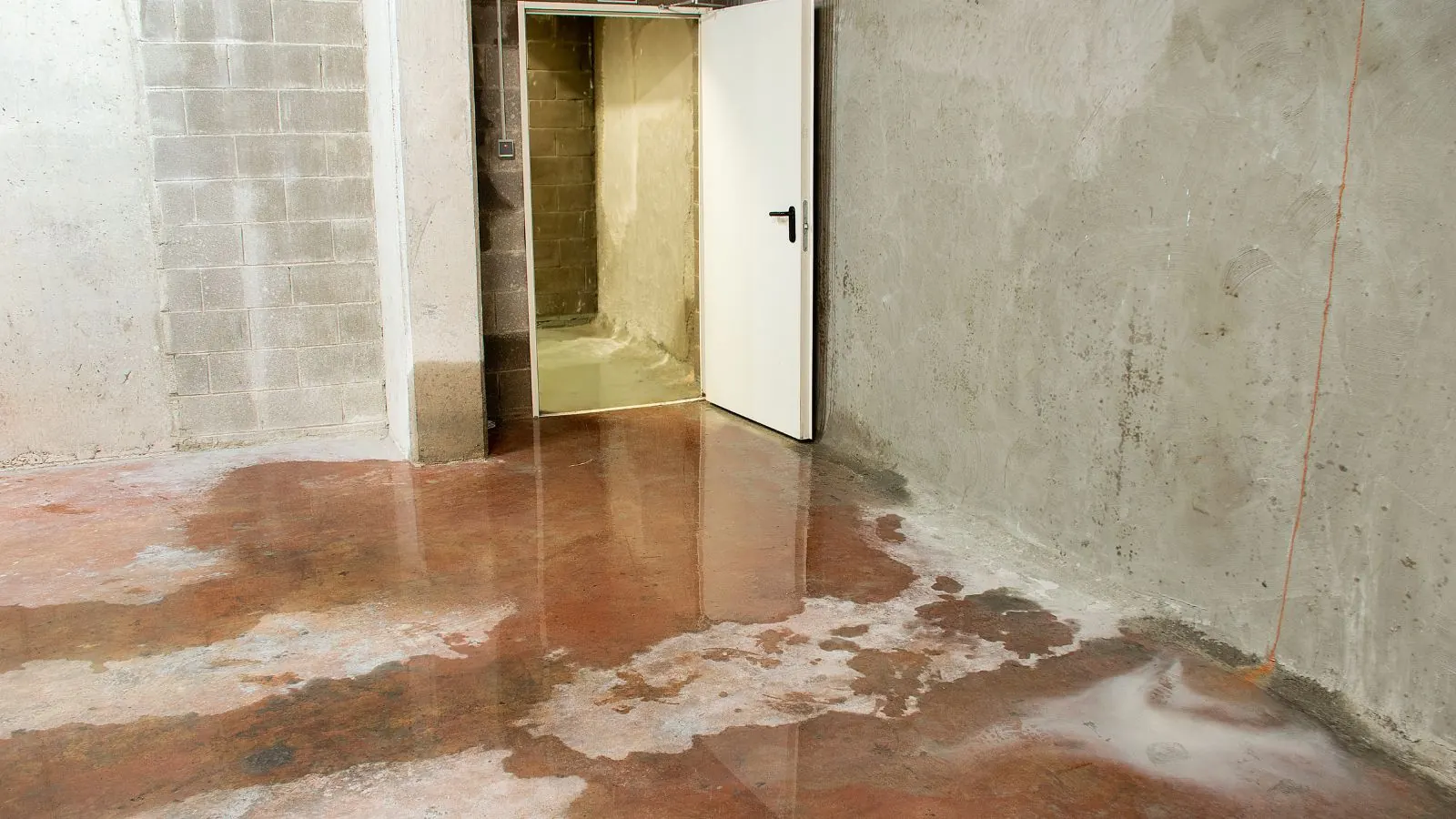
People want a number, and that is reasonable. The honest difficulty is that water damage cost depends on things nobody can see from a description. How far did the water travel, what are the walls made of, how long has it been wet? This post does not quote prices. It explains what an estimate contains and what makes it go up or down.
The aim is that when you receive an estimate, you can read it. A clear one is itemized, tied to what was found on site and explained before work begins.
The factors that move the number
| Factor | Why it matters |
|---|---|
| Water category | Contaminated water needs more protective gear, cleaning and removal. |
| Class of loss | More saturated materials require more drying capacity. |
| Area affected | Square footage and number of rooms set equipment needs. |
| Materials involved | Drywall, carpet, hardwood and insulation each dry or fail differently. |
| Time since the loss | Older water usually means more materials to remove. |
| Drying duration | Equipment is typically billed per day and monitored daily. |
| Access and layout | Basements, crawl spaces and tight areas take more labor. |
| Repairs after drying | Rebuilding is a separate scope from drying. |
The lines you should expect to see
- Emergency response and assessment, including moisture mapping.
- Water extraction, described by area or room.
- Removal of materials that cannot be saved, listed by type.
- Drying equipment, with the number of units and expected days.
- Cleaning and antimicrobial treatment where the water category calls for it.
- Monitoring visits and the moisture readings they record.
- Contents handling, if belongings are moved or packed out.
- Reconstruction, if included, itemized separately from drying.
If a line is just a lump sum, ask what is in it. A clear estimate lets you compare two companies line by line and lets your adjuster compare it with theirs.
Why estimates change
Water hides. A wall that looks fine may be wet inside, and once it is opened, the scope can grow. A reputable company explains that possibility before work begins and asks for your approval before a significant change. That is the purpose of a written scope and a change process.
It can also go the other way. Daily readings sometimes show that materials are drying faster than expected, which shortens equipment time. This is why it helps to see the readings and not just the final invoice.
Red flags in an estimate
- A single number with no breakdown.
- A price promised by phone for damage nobody has seen.
- Pressure to sign blanket authorization on day one.
- No mention of water category or drying goals.
- No plan for documenting moisture readings.
If your insurance is involved, share the estimate with your adjuster early, and compare it line by line with the one you receive from the carrier.
How to compare two estimates
Put the two documents side by side and match lines. Where one has a line the other lacks, ask why. One may include monitoring visits and the other may not. One may count more air movers because it measured a larger wet area. The difference is often a difference in scope, not in price.
Ask each company how it decides when drying is finished. A good answer refers to moisture readings reaching the target for the material, not to a number of days. If the end point is a calendar date, the estimate is a guess.
What to do with the estimate and your insurer
Send a copy to your adjuster early. The adjuster may agree, adjust or ask for photos. Do not wait for the final invoice to start the conversation. If the adjuster's estimate differs from the contractor's, ask for the difference in writing so you can see which items are in dispute.
A note on deposits and payment
Ask how and when payment is due. Some insurers pay the contractor directly, others pay the homeowner, and some split the payment between mitigation and repairs. Understand the arrangement before you sign, and keep every receipt. If an insurer will pay, ask the company how it handles the gap between the deductible and the first payment.
Findlay note: what local conditions add
Findlay averages about 38 inches of precipitation and about 24 inches of snow a year according to NOAA's 1991 to 2020 normals, and its record low is minus 21 degrees Fahrenheit. A winter loss in a cold house can add heating or tarping to the scope, and a spring thaw can bring groundwater to a basement. These conditions affect what the crew needs to do and for how long.
If the loss follows a storm, see the storm damage page. Requests from Van Buren, McComb and Arlington are scoped the same way.
Want a scope you can actually read?
Call the 24/7 line. The scope and price are explained before work starts.
☎ (567) 406-9153Questions about restoration estimate: what to expect?
Dispatch is open 24/7 and will say plainly what a crew would do next.
☎ (567) 406-9153A local question answered
Can a company quote an exact price over the phone?
Not reliably. Cost depends on water category, area, materials and drying time, which need to be seen. Be cautious of firm promises on unseen damage.
Why are drying costs listed per day?
Equipment runs for several days and is monitored. Daily readings show when the structure is dry, which sets the end date.
Does cold weather change a Findlay estimate?
It can. Winter losses may add heating, tarping or frozen-pipe work, and the crew will explain what applies.