
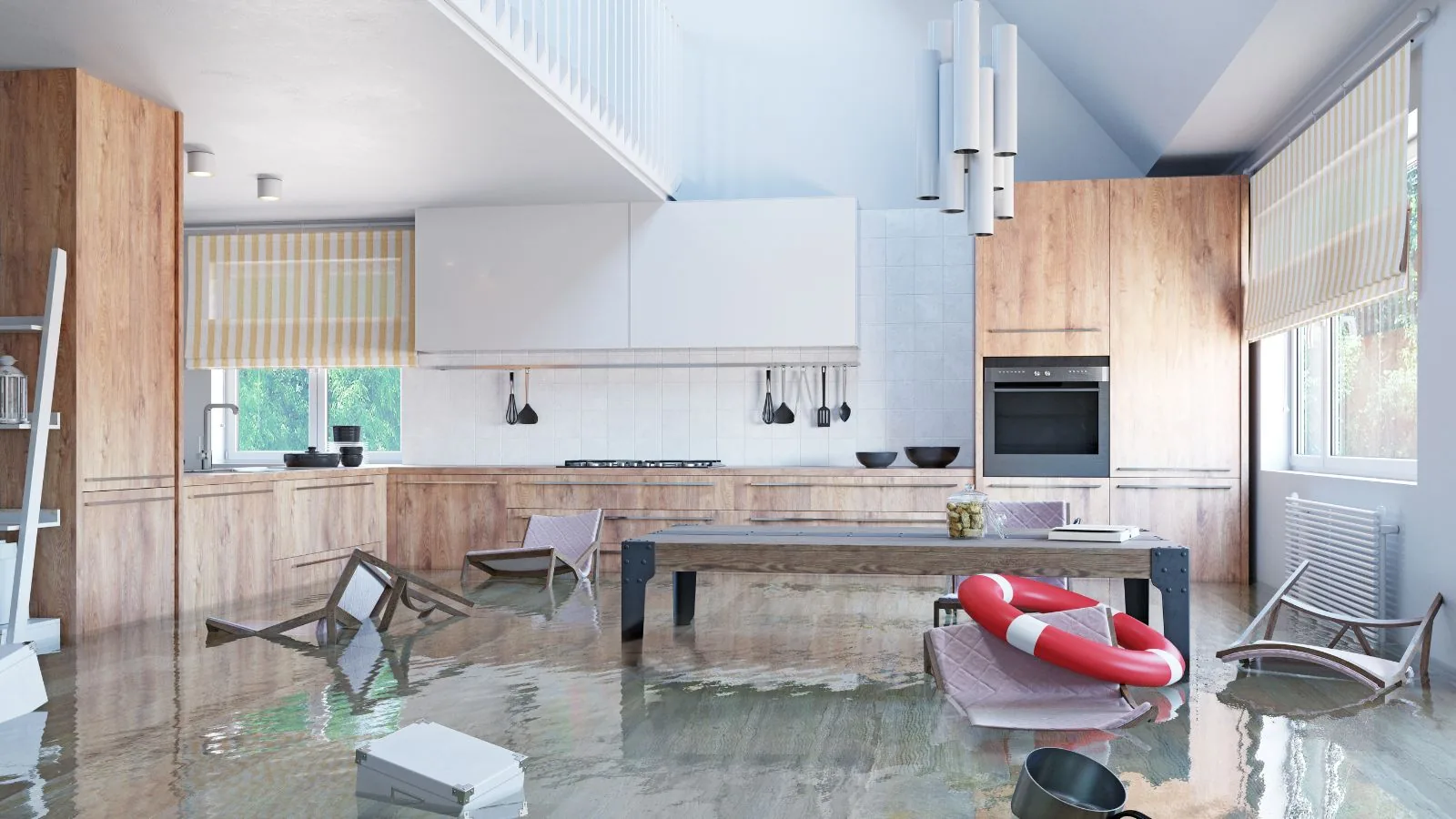
After a water loss, the hardest part is often the sorting. You are standing in a room full of your belongings and trying to decide what stays. Two things drive almost every decision. One is how dirty the water was, and the other is how porous the item is. A clean-water soak on a solid wood table is a very different case from sewage on a sofa.
This guide gives a rule of thumb for each type of item, not a guarantee. When in doubt, photograph the item first, since your insurer may want to see it, and then ask a professional or your adjuster before it leaves the house.
Start with the water category
The ANSI/IICRC S500 standard sorts water into three categories. Category 1 is clean at the source, such as a supply line. Category 2 contains some contaminants, such as washing machine discharge. Category 3 is grossly contaminated, such as sewage or river floodwater. The category sets the rules for what can be saved, and it can worsen as water sits.
If you are unsure, assume the higher category until a crew says otherwise.
| Item | Clean water (Cat. 1) | Contaminated water (Cat. 2 or 3) |
|---|---|---|
| Solid wood furniture | Often dried and kept | Often cleaned and kept, case by case |
| Upholstered furniture | May be dried if caught quickly | Usually discarded |
| Mattresses and pillows | Often discarded if soaked | Discarded |
| Carpet and pad | Carpet may dry in place, pad often replaced | Removed |
| Clothing and linens | Washable and kept | Wash hot or discard, depending on contamination |
| Cardboard boxes and paper goods | Dry quickly or discard | Discard |
| Books and papers | See the salvage guidance in the next section | Discard unless irreplaceable and handled by a conservator |
| Food and medicine in contact with water | Discard anything that touched water | Discard |
| Small electronics | Do not power on, see a technician | Discard |
Hard items clean up better than soft ones
Metal, glass, ceramic, hard plastic and sealed wood can usually be washed and disinfected. Porous items such as foam, particleboard and fabric absorb water and contaminants and are much harder to clean. That is why cabinet bases and sofas are often the casualties while the dining table survives.
Do not eat or give to children any packaged food or beverage that was in contact with contaminated water, and discard medications that got wet. The kitchen page covers cabinets, which are the usual casualties in that room.
Paper, photos and keepsakes
The National Archives advises that wet books, documents and photographs that cannot be air dried within two days should be frozen to inhibit mold growth, and it recommends consulting a conservator for items of high monetary, historic or sentimental value. Never freeze old photographs or negatives. Do not try to scrub off active mold, since it may spread or smear.
What a crew can and cannot do with contents
A restoration crew can move, pack out, clean and dry many belongings, and it can tell you which ones are not worth the cost to save. It cannot decide what your insurer will pay for. Keep an inventory with what you discard, including approximate age and value, since contents claims are built from lists.
Cleaning what you keep
For items that can be saved, remove loose dirt first, then wash with a detergent suited to the material. Hard surfaces can be wiped with a household disinfectant used according to its label. Soft items that were in clean water can often go through a hot wash. Air dry everything completely before storing it.
Drying thoroughly matters as much as cleaning. EPA guidance for homeowners says to dry all items completely, because items that stay damp can grow mold. Spread things out, raise them off the floor and keep air moving.
Keep a discard list
For every item that leaves the house, add a line to a list. Note what it was, roughly how old it was and what you think it cost. Take a photo before it goes. A good list makes the contents part of an insurance claim much easier, and it helps you remember what you need to replace.
If an item is too heavy to move safely, leave it for the crew. Wet furniture can weigh far more than dry, and the sofa that was easy to move last month may be a back injury now.
Findlay note: disposal and local rules
No public source we found sets one rule for disposing of flood-damaged goods in every Findlay neighborhood. Ask the City of Findlay about bulk trash options before you haul large items to the curb, and ask your adjuster before anything is thrown out.
The National Weather Service recorded heavy rain from August 19 to 21, 2007 that took the Blanchard River near its record stage, a reminder that after a widespread flood many households sort at once and local options can fill up.
If your loss came from the river or from storm runoff, read the flood damage cleanup page first. Homes in McComb and Arlington should ask their own village office about disposal rules.
Standing in a wet room right now?
Call the 24/7 line. A crew can tell you what water category you have and what to sort first.
☎ (567) 406-9153Questions about what to keep, clean or throw away?
Dispatch is open 24/7 and will say plainly what a crew would do next.
☎ (567) 406-9153A local question answered
Can I keep a mattress that got wet?
Usually not. Foam and fabric hold water and contaminants, and they are hard to dry or sanitize. Photograph it for your claim and ask before it goes.
What about cardboard boxes in the basement?
Dry cardboard that was briefly damp may be fine, but anything that sat in water should be discarded and its contents checked.
Who should I ask about throwing out large items in Findlay?
Ask the City of Findlay about bulk trash options and ask your adjuster before anything leaves. Do not discard items before photographing them.